Key Points
- ✓Egg freezing lets you preserve your fertility by storing eggs for future use
- ✓Best results when eggs are frozen before age 35, but freezing up to 38 is still worthwhile
- ✓A single cycle costs $7,000–$12,000 including medications, retrieval, and initial freezing
- ✓You need a GP referral to see a fertility specialist — get one online through HeyDoc
What Is Egg Freezing?
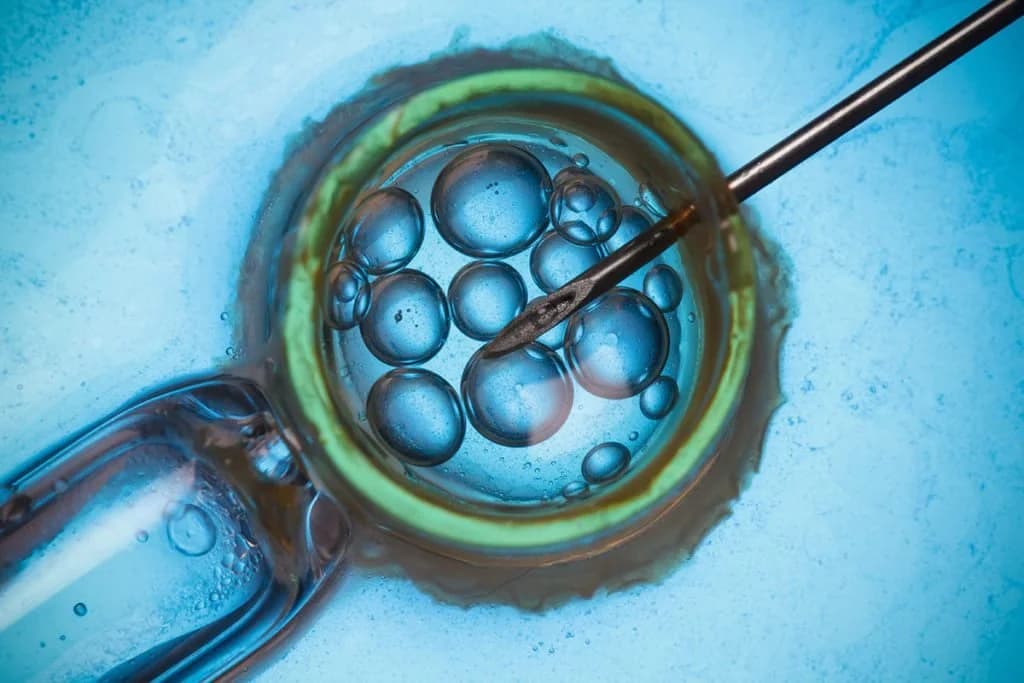
Egg freezing (oocyte cryopreservation) is a fertility preservation technique where eggs are collected from your ovaries, frozen, and stored for future use. When you're ready to use them, the eggs are thawed, fertilised with sperm via IVF, and transferred to the uterus.
Modern egg freezing uses vitrification — a flash-freezing method that prevents ice crystal formation and gives thaw survival rates of around 90%. This has made egg freezing significantly more reliable than older slow-freeze methods.
Important: Egg freezing preserves eggs at their current quality. It doesn't guarantee a future pregnancy, but it gives you more options than not freezing at all — especially if you're not ready to start a family yet.
Who Should Consider Egg Freezing?
Egg freezing may be right for you if any of the following apply:
Age
You're in your late 20s to mid-30s and want to preserve your fertility while your eggs are at their best quality. Egg quality declines significantly after 35.
Medical reasons
You're facing cancer treatment (chemotherapy or radiation), surgery that may affect your ovaries, or have a condition like endometriosis that could reduce your ovarian reserve over time.
Lifestyle
You're focused on your career, education, or haven't found the right partner yet and want to take the pressure of the biological clock off the table.
The Egg Freezing Process — Step by Step
From your first appointment to eggs in storage, here's what to expect:
Get a referral
You need a referral from a GP to see a fertility specialist. Tell your doctor you're interested in egg freezing — no justification needed. If you can't get a GP appointment quickly, HeyDoc can provide the same referral online.
Fertility assessment
Your specialist will assess your ovarian reserve to estimate how many eggs you're likely to retrieve and plan your stimulation protocol. This includes:
- •AMH blood test: Measures ovarian reserve (how many eggs you have left)
- •FSH and oestradiol: Hormone levels that indicate ovarian function
- •Antral follicle count: Ultrasound to count the small follicles in your ovaries
Ovarian stimulation
You'll self-inject hormone medications (gonadotropins) for 10–14 days to stimulate your ovaries to produce multiple eggs instead of the usual one per cycle. During this time, you'll have regular blood tests and ultrasounds (every 2–3 days) to monitor your response and adjust dosage.
Egg retrieval
A short day procedure (15–20 minutes) performed under light sedation. A thin needle is guided through the vaginal wall using ultrasound to collect eggs from each follicle. You'll rest at the clinic for an hour or two afterwards and will need someone to drive you home. Most women take 1–2 days off work to recover.
Freezing and storage
Mature eggs are frozen using vitrification and stored in liquid nitrogen at the clinic. Your clinic will contact you annually regarding storage renewal and fees. Frozen eggs can be stored indefinitely with no loss of quality.
Egg Freezing Costs in Australia
Costs vary between clinics and states, but here's what a typical cycle looks like:
| Item | Estimated Cost | Notes |
|---|---|---|
| Specialist consultation | $250–$500 | Initial appointment to assess your suitability |
| Medications | $3,000–$5,000 | Hormone injections for ovarian stimulation |
| Egg retrieval procedure | $4,000–$7,000 | Includes anaesthesia, procedure, and lab fees |
| Monitoring | $500–$1,000 | Blood tests and ultrasounds during stimulation |
| Annual storage | $300–$600/year | Ongoing fee for each year eggs are stored |
Tip: Many clinics offer egg freezing packages or payment plans. Ask about bulk pricing if you're planning multiple cycles, and check if your private health insurance offers any fertility benefits.
Medicare and Egg Freezing
Medicare coverage for egg freezing depends on why you're doing it:
Elective (social) egg freezing
Not covered
If you're freezing eggs by choice (not for a medical reason), Medicare does not cover the procedure. You'll pay the full cost out of pocket. Some related blood tests and the initial specialist consultation may still attract a small Medicare rebate if you have a valid referral.
Medical fertility preservation
May be covered
If you need to freeze eggs before cancer treatment, surgery, or for another medical reason, some components of the procedure may be covered by Medicare. Your specialist can advise on which MBS items apply to your situation.
Regardless of your reason for freezing, having a valid GP referral ensures you can claim any applicable Medicare rebates on consultations and tests.
Read our full Medicare rebates guideYou Need a Referral to Get Started
Before you can see a fertility specialist about egg freezing, you need a referral from a GP. If your GP has a long wait, HeyDoc lets you see an AHPRA-registered doctor online and get your referral the same day.
- •$49 for a fertility-focused consultation
- •Doctors experienced with fertility referrals
- •Referral sent to you and your chosen clinic
- •Valid for 12 months — accepted by all fertility clinics in Australia
Frequently Asked Questions
Common questions about egg freezing in Australia
Egg quality and quantity decline with age. Freezing before 35 gives the best chance of viable eggs, but many women freeze successfully between 35 and 38. After 38, the number of eggs retrieved per cycle drops significantly. A fertility specialist can assess your individual ovarian reserve with an AMH blood test and antral follicle count.
A single egg freezing cycle typically costs $7,000–$12,000 including medications ($3,000–$5,000), the retrieval procedure ($4,000–$7,000), and initial freezing. Annual storage fees are $300–$600 per year. Some clinics offer payment plans. Elective egg freezing is generally not covered by Medicare, but medical fertility preservation (e.g. before cancer treatment) may attract rebates.
Yes. In Australia, you need a referral from a GP or another specialist to see a fertility specialist for egg freezing. The referral is also required to access any applicable Medicare rebates. A GP referral is valid for 12 months.
The number depends on your age and goals. As a rough guide: under 35, around 15–20 eggs gives a reasonable chance of a future live birth. Between 35–38, you may need 20–25 eggs. Over 38, more eggs may be needed due to lower egg quality. Many women require more than one retrieval cycle to reach their target number.
Elective (social) egg freezing is generally not covered by Medicare. However, if you're freezing eggs for medical reasons — such as before chemotherapy, radiation, or surgery that may affect fertility — some of the specialist consultations, blood tests, and the retrieval procedure may attract Medicare rebates. Your fertility specialist can advise on your specific situation.
Frozen eggs can be stored indefinitely using vitrification (flash-freezing). There is no evidence that storage duration affects egg quality. However, each state in Australia has its own regulations on storage time limits, so check with your clinic. You'll pay an annual storage fee to maintain them.
Success depends heavily on the age at which eggs are frozen and the number of eggs stored. For eggs frozen under age 35, the thaw survival rate is around 90%, and each egg has roughly a 5–8% chance of resulting in a live birth. This is why specialists recommend freezing multiple eggs to improve your overall odds.
The hormone injections are given with a fine needle and may cause mild discomfort, bloating, or mood changes. The egg retrieval is performed under light sedation (twilight anaesthesia) and takes about 15–20 minutes. Most women experience some cramping and bloating afterwards, which typically resolves within a few days.
Ready to explore egg freezing?
Get a fertility specialist referral from an AHPRA-registered doctor — online, in under 15 minutes.
Book Consultation - $49Helpful Resources
IVF referral guide
How to get a referral to a fertility specialist
Medicare rebates guide
MBS items, Safety Net thresholds, NSW rebate
Find a fertility clinic
Browse clinics across Australia
YourIVFSuccess.com.au
VARTA's IVF success rate tool
Last updated: February 2026. Costs are estimates and vary by clinic. Medicare coverage rules may change — verify with Services Australia or your fertility specialist.